How to Document Private Landlord or Roommate Rent Payments
Informal rent payments are real but invisible to screening. Build a paper trail with Venmo/Zelle records, signed statements, and bank proof.
Our team sees this scenario constantly when evaluating tenant histories. When a renter needs to prove rent payments no lease, their payment history is very real but completely invisible to standard screening databases.
This missing data point is a major hurdle for anyone trying to secure a new lease or prove financial stability.
We consider making this history visible to be one of the highest-value actions a no-rental-history applicant can take. From what we have observed, property managers want verifiable proof before they bypass their automated systems.
Let’s break down the exact documentation that actually works and how to package it for an underwriter.
What communities want to see
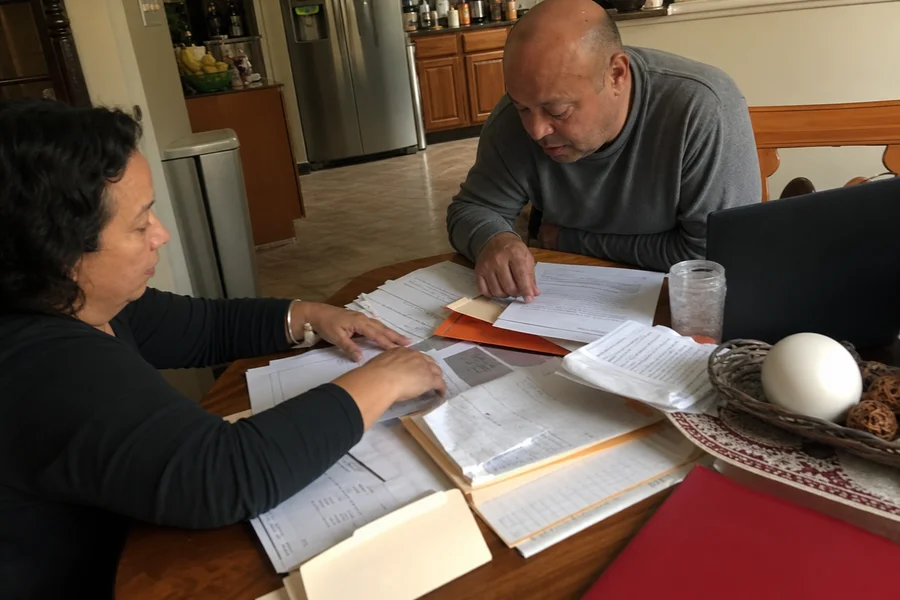
Our experience shows that property management platforms like AppFolio and RealPage prioritize three specific elements when evaluating informal history. They require a complete package that mirrors a formal Verification of Rent packet, serving as your official proof of rent to private landlord or property management groups to clear their manual underwriting process.
Here is what communities need to approve an application:
- Payment records that show consistency. We look for the exact same amount sent to the same recipient on roughly the same date each month. Sporadic payments do not tell a stable tenant story.
- Third-party corroboration. A signed statement from the private landlord confirms the arrangement. We need to see their contact info and their side of the transaction.
- Bank-level verification. Modern screening tools require bank statements to show outbound transfers matching the app records. Our underwriters use this to tie the application to real money movement.
Property managers process high volumes of applications. Any one of these documents alone is weak. We consider all three together to be a credible, verifiable package.
Payment app records
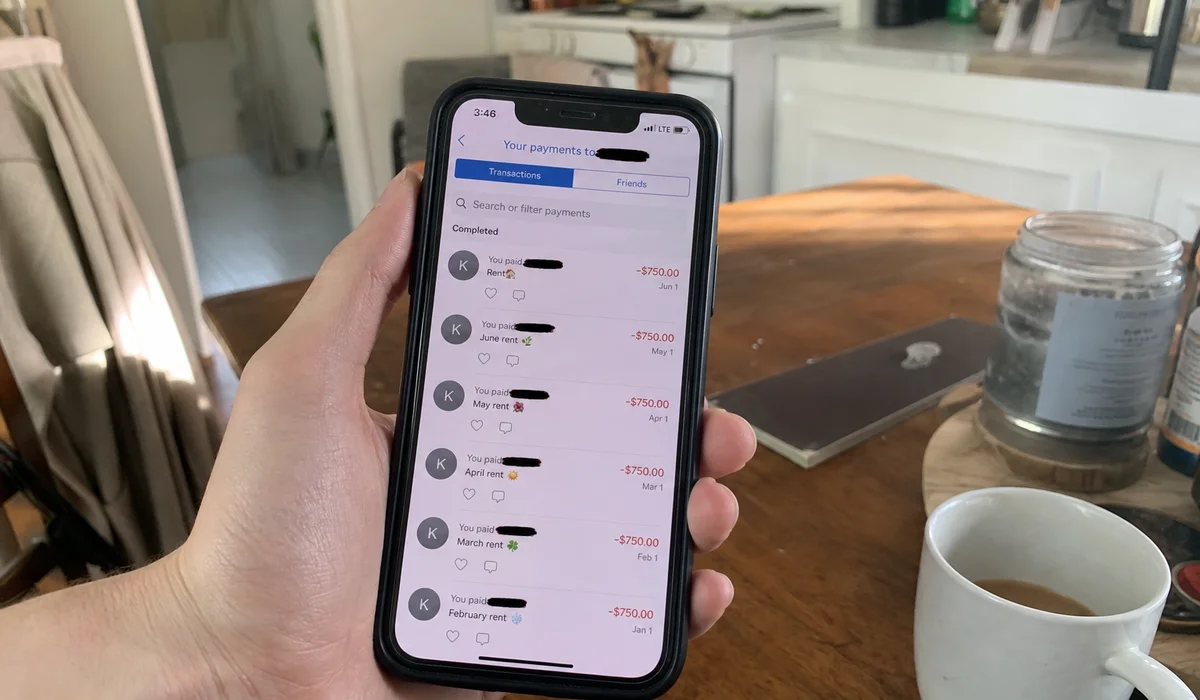
We find that payment apps like Venmo, Zelle, and Cash App are the most common documentation sources for informal agreements. The best proof comes from exporting the full transaction history to effectively document rent payments for a consistent 12-month period.
What to export or screenshot:
- The full 12-month history covering the period you want to document.
- Each transaction clearly visible with the exact dollar amount and recipient name.
- The memo field showing the payment purpose.
Our experts strongly recommend using Zelle over other platforms for private rent collection. Zelle transfers go directly bank-to-bank without the 1.9% to 3% business transaction fees found on Venmo or PayPal. This direct transfer creates a cleaner paper trail that property managers trust more readily.
Handling other payment platforms
We caution clients about relying exclusively on Venmo or Cash App. Venmo accounts risk closure if rent is mislabeled to avoid business fees. Cash App is often viewed unfavorably by screening platforms because it is harder to trace to a verified individual.
If you did not label past payments as rent originally, do not back-fill memos now. We see this tactic frequently, and it reads as manufactured evidence to automated tools like Snappt. Consistency in the amount and date is a much stronger argument.
Signed statements
Our underwriting teams require a signed statement from the person you paid to corroborate your app records. This document acts as a manual Verification of Rent form and must clearly outline the specific terms of your informal lease.
A strong landlord letter strengthens your digital payment records considerably. We need to see specific details to verify the arrangement meets standard housing requirements.
Required details for your statement:
- The landlord’s full name, address, and phone number.
- Your full legal name.
- The specific address where you paid to live.
- The agreed-upon monthly amount.
- The payment method utilized (Zelle, cash, check, etc.).
- The exact dates covered by the agreement.
- A clear statement confirming on-time payments.
- Their physical signature and the date signed.
We advise keeping this document to a single page. If the private landlord can print it on personal letterhead or include their contact information at the very top, that adds helpful credibility.
Bank statements
We always look for two to three recent months of bank statements to close the documentation loop. Underwriters in 2026 rely heavily on bank-level verification tools like Plaid to confirm that your outbound transfers perfectly match your app records.
Property managers want to see consistent financial behavior before approving an application. We need your bank statements to validate the story your other documents tell.
What underwriters look for
Our screening processes prioritize three specific bank statement patterns:
- Exact outbound matches. The amount and date must mirror the payment app records perfectly.
- Consistent balance patterns. An account that goes from paycheck to empty every month signals financial instability.
- Zero banking red flags. Overdrafts, negative balances, and non-sufficient funds fees will immediately raise questions.
You do not need to hide anything from the property manager. We recommend simply presenting your healthy financial habits as confirmation of your reliability.
Package presentation
Our leasing agents appreciate a clearly structured package that mirrors a professional application file. When submitting informal payment proof, organize your files chronologically to make manual verification easy.
A disorganized pile of screenshots will frustrate the reviewer. We suggest combining your documents into a single, labeled PDF.
The ideal package structure
Here is the exact order that works best:
- A brief cover note. One paragraph summarizing the attached documents and what they prove.
- The signed statement. The Verification of Rent letter from the person you paid.
- Payment app history. Your chronological exports or screenshots.
- Bank statements. The recent 2-3 months of statements with matching transactions highlighted.
A little bit of organization goes a very long way.
We know that leasing agents skim high volumes of applications, so a clearly labeled package gets read fully. Take the time to gather these three components before you start touring properties.
Our team strongly encourages you to review the related guides below to further strengthen your upcoming rental application.
Related reading
Frequently asked
Do payment apps like Venmo count as proof of rent?
They help — consistent, labeled payments plus matching bank records build a strong paper trail. Property managers who accept informal-history documentation usually accept app transaction records as part of a package.
Will a signed roommate or landlord letter work?
Often, especially paired with matching bank or app records. A signed statement alone is weaker; a signed statement plus corroborating payment records is much stronger.
How many months of history should I show?
As many consecutive months as you can document clearly. 12 months is a common target — enough to show a pattern of consistent payments.
Turn this into a placement.
Our agents will match you with Texas communities that fit your specific scenario.