Paid vs Settled vs Paid-Through-Collections: Documentation
Paid in full, settled for less, and paid through collections are three different states. Which letter proves which and how PMCs read each.
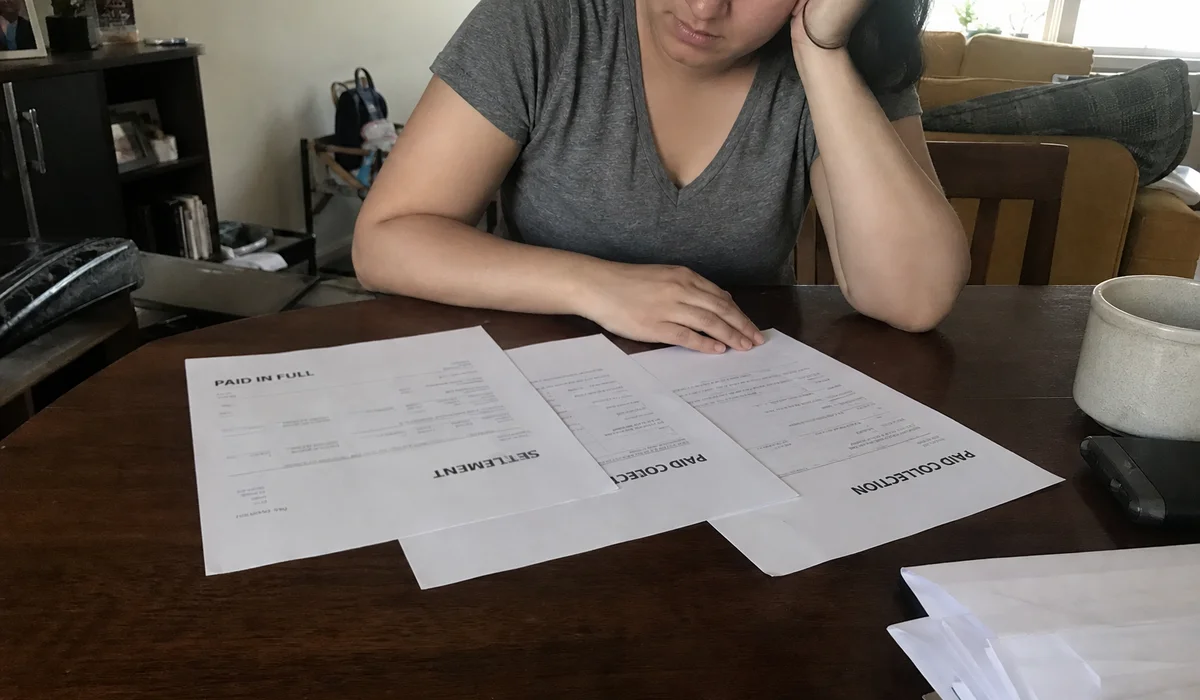
There are three ways a broken-lease balance can be resolved, and each is treated slightly differently by property managers. Knowing which state you’re in — and what documentation proves it — makes the difference between a smooth paid-application experience and one that hits unexpected friction.
The three states
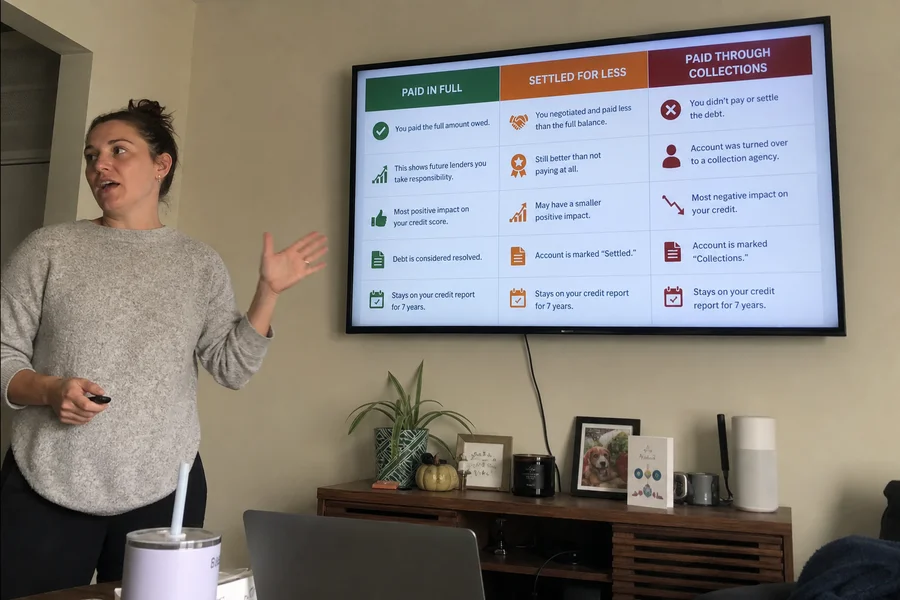
Paid in Full. You paid the balance in the full amount owed. This is the strongest resolution state. Property managers who distinguish paid from unpaid typically treat this as fully satisfactory, often with no risk fee even at case-by-case communities.
Settled for Less. You negotiated a reduced payoff with the community or agency. They accepted less than the full balance and issued a settlement agreement. Read positively by many communities — some treat settled the same as paid — but a minority still read “less than full” as incomplete resolution. Wording of the settlement letter matters a lot here.
Paid Through Collections. The debt went to collections, and you paid the collection agency (not the original community). The rental-history record may or may not update to reflect payment (depends on whether the agency reports the update back to the rental-history vendor). The credit-report side updates to “paid collection” but stays on your credit report for 7 years from original delinquency.
Which letter proves which
For paid in full: A paid-in-full letter or zero-balance letter from the former community or agency. It should state: your name, the community, the original balance, the amount paid, the date of payment, and a statement that no further balance is owed.
For settled: A settlement agreement or settlement letter. It should state: the original balance, the reduced amount you paid, the date paid, and — importantly — that the account is resolved and no further collection action will be taken.
For paid through collections: A paid-collection confirmation from the agency. It should state: the account number, your name, the original balance, the amount paid, the date paid, and (crucially) that the agency will report the account as paid to the credit bureaus.
Every letter should be on the issuing organization’s letterhead, signed by an authorized representative, and dated.
How PMCs read each state
Different Texas PMCs weigh these three states differently. In general:
- Paid in full = strongest signal. Communities that distinguish paid from unpaid nearly always accept a paid-in-full letter as full resolution.
- Settled = strong signal at most communities, weaker at some. The letter’s wording is decisive. “Account resolved, no further balance owed” reads well. “Settled for reduced amount” without further clarification reads more ambiguously.
- Paid through collections = real improvement over unpaid, but not the same as paid in full. The collections entry on the credit report is still visible. Communities that pull credit see it. Housing screening reads “paid collection” positively but not as strongly as never having had a collection.
Why settlement letter wording matters
Two settlement letters can describe the same transaction and be read very differently by a property manager:
Weaker wording: “This is to confirm that a settlement of $800 was received on [date] toward the outstanding balance of $2,000.”
Stronger wording: “This is to confirm that account [ID] has been resolved as of [date]. The settlement amount of $800 satisfies the balance in full and no further payment is owed.”
The second version explicitly states resolution and finality. When negotiating a settlement, insist on wording that includes “resolved” and “no further balance owed.” Most agencies will honor a request for specific language if it doesn’t materially change the transaction.
Related reading
Frequently asked
Is settled as good as paid in full?
To some communities yes, to others no. The letter wording matters. If a settlement letter states clearly that no further balance is owed and the account is resolved, most communities treat it favorably.
What proves paid through collections?
A paid-collection confirmation from the collection agency, ideally with a statement that they will report the account as paid to the credit bureaus.
Which state is best to have?
Paid in full is strongest. A documented settlement often works nearly as well at communities that read settlement letters favorably. Paid through collections is a real improvement over unpaid but the collections entry still shows on your credit report.
Turn this into a placement.
Our agents will match you with Texas communities that fit your specific scenario.